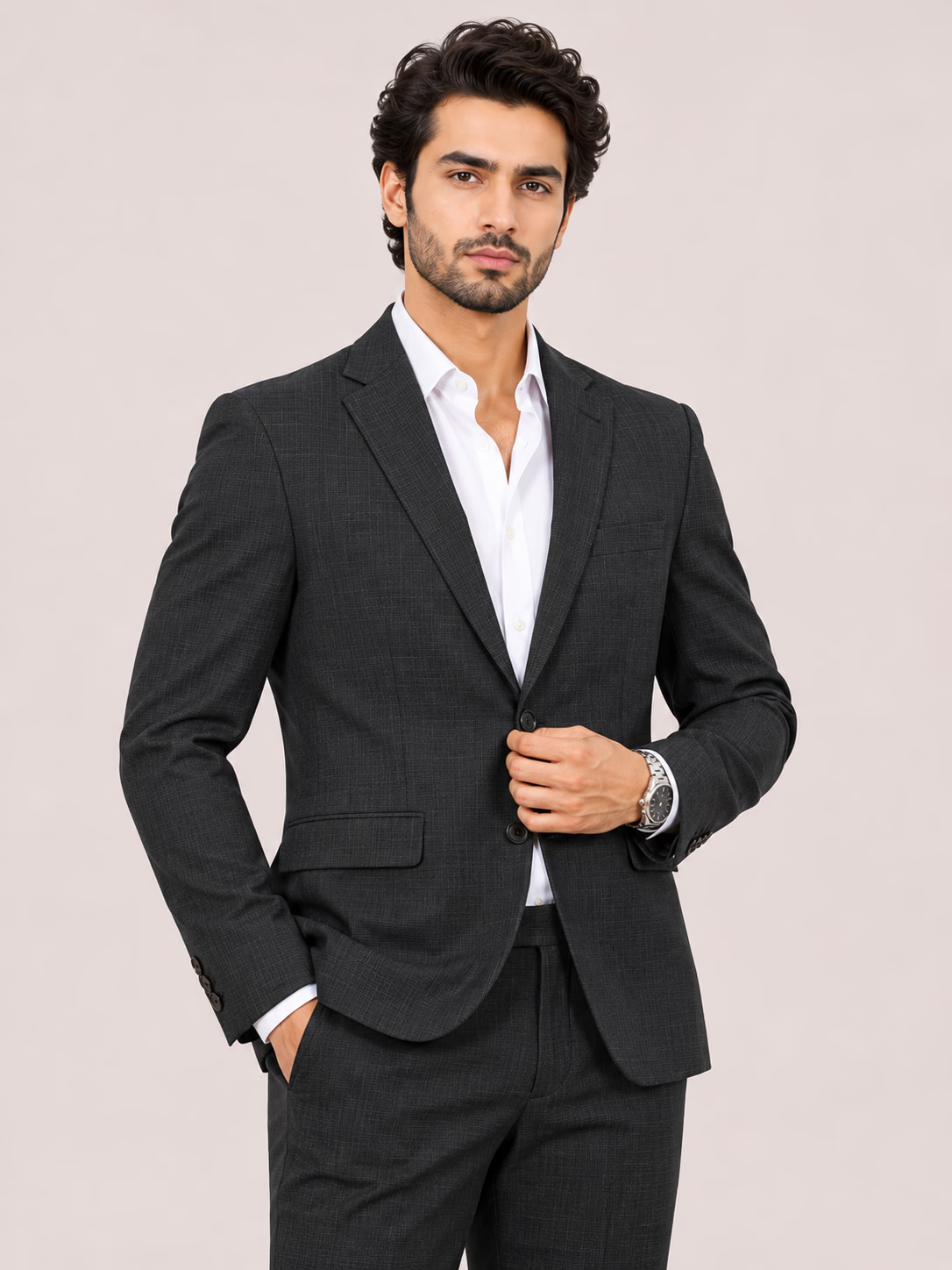
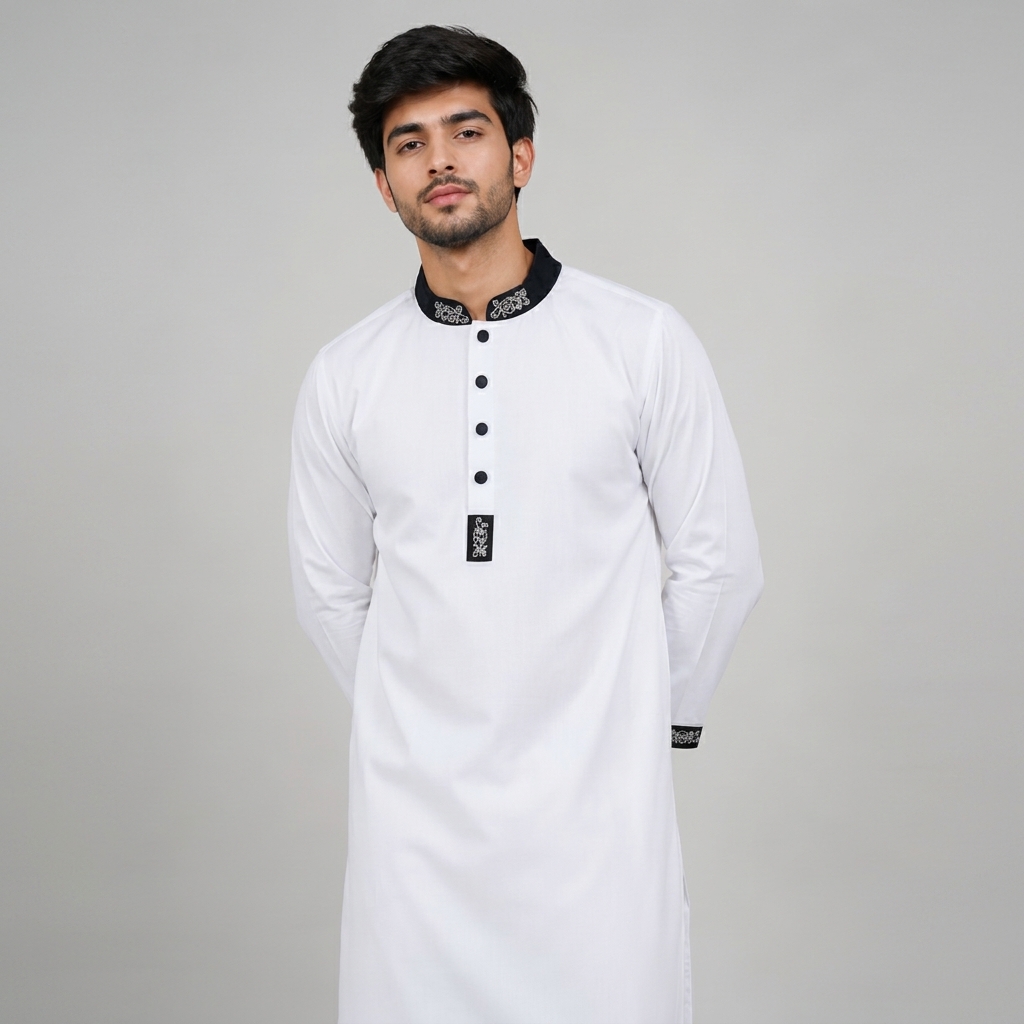
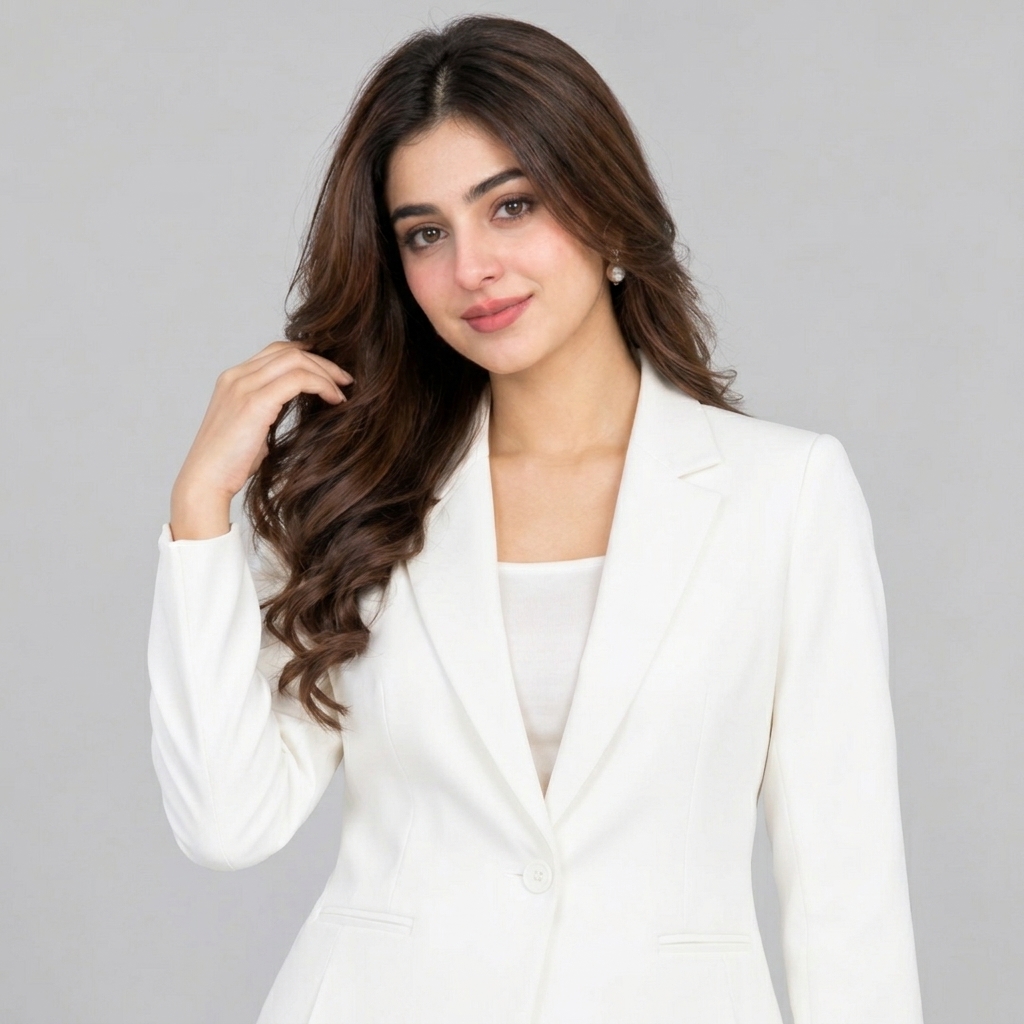
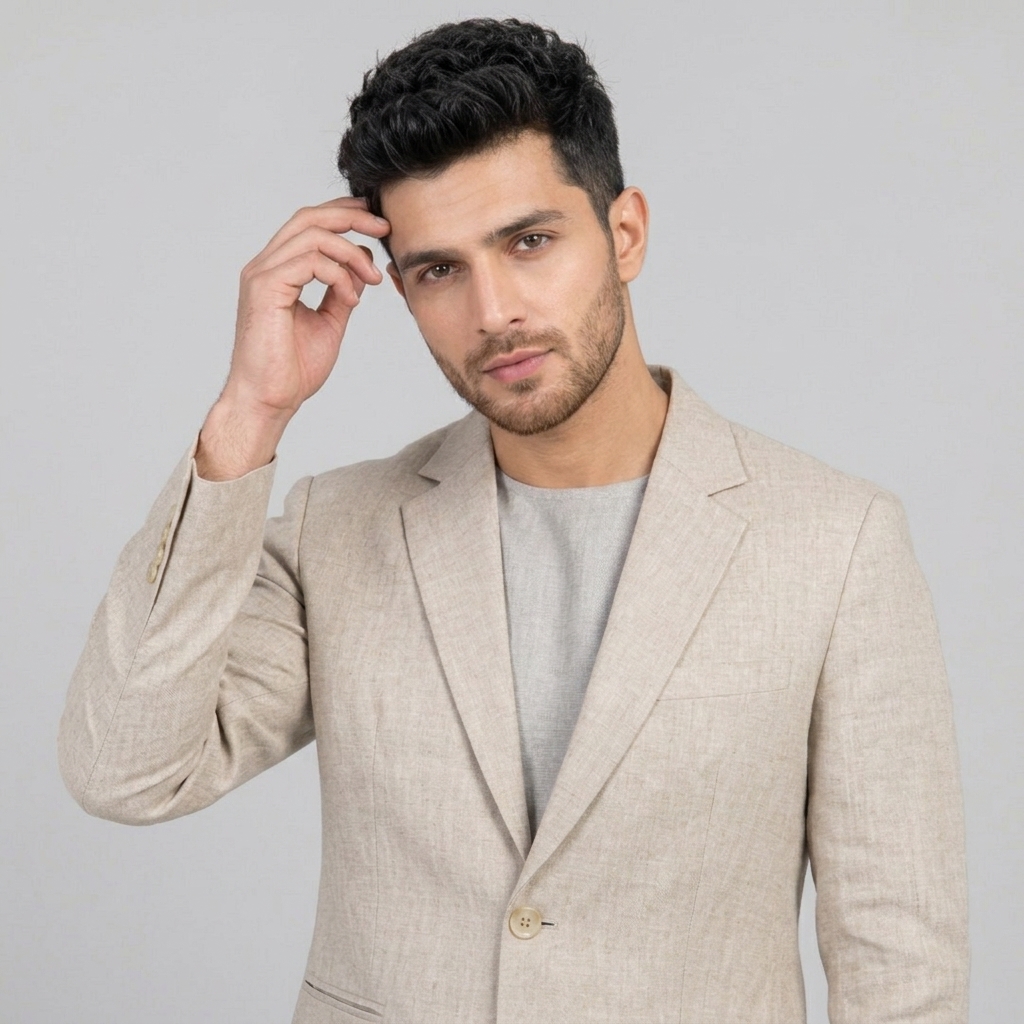
Durga Puja is not just a festival in Bangladesh — it is a mood, a season, a collective exhale. For five days every autumn, the streets of Old Dhaka smell of incense and shiuli flowers, the air hums with the sound of dhak drums, and the city dresses up in its most considered self. And if you've ever stood in a pandal queue at 11pm, you know one thing: how you dress for Puja matters — as much for your comfort in the humid October air as for how you feel as you walk through the crowd.
But dressing for Puja is not about going as loud as possible. It's about going as yourself as possible — in a season that gives you permission to be a little more expressive, a little more rooted, a little more seen. This guide is about finding that balance: the saree that fits the occasion, the kurti that survives a full day of pandal-hopping, the fabric that feels like it was made for the season, and the accessories that finish the story.
1. The Puja palette — and how to wear it without looking like a costume
Puja fashion is famously colourful. But there's a difference between 'colourful' and 'considered.' The trick is to pick one anchor colour and let everything else recede. A deep maroon saree with a plain gold border doesn't need a heavily embroidered blouse — a simple cream blouse will do the work. A bright red kurti doesn't need patterned trousers — plain white or black palazzos will let it breathe.
The colours that have always worked for Puja, and always will: deep reds, maroons, burnt oranges, and muted golds. Pair them with off-white, cream, or black. Avoid neon. Avoid too many patterns competing. The result is a look that reads as festive in a photograph but feels calm in real life.

The trick is to pick one anchor colour and let everything else recede.
2. Choosing your Puja saree — a practical guide
Not every saree is a Puja saree. The ones that work are the ones that balance occasion, comfort, and craft. Here's how to think about it based on the moment you're dressing for.
For the morning anjali
The morning anjali is a moment of quiet — the pandal is relatively empty, the air is cool, and you're not there to be seen. A light cotton saree in off-white, pale yellow, or a soft pastel is the right choice. It's breathable, it moves easily when you bend to offer flowers, and it photographs beautifully in the morning light without shouting for attention.
For the evening aarti
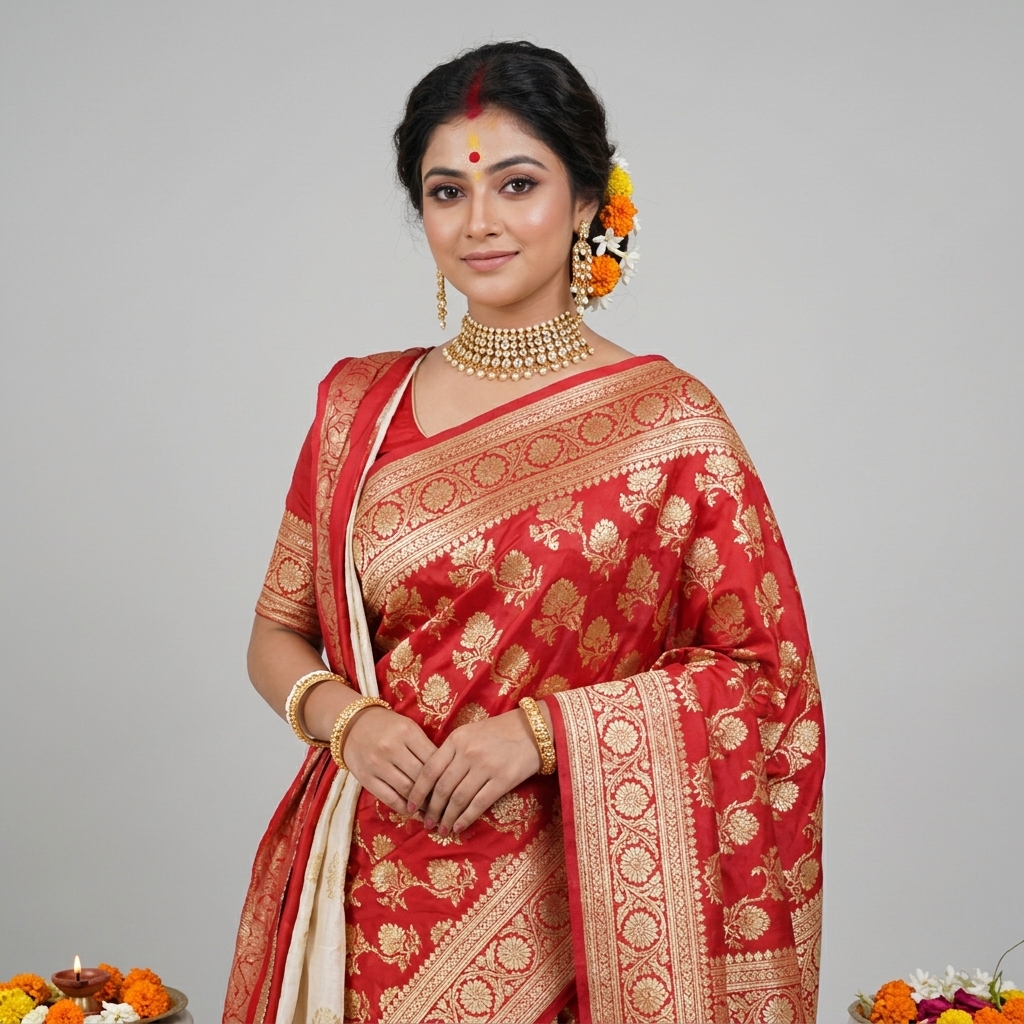
The evening aarti is the moment of maximum energy — lights, drums, crowds, incense. This is when a silk saree in a deep colour comes into its own. A traditional Benarasi or a modern silk blend in maroon, deep green, or rich red will catch the light beautifully, hold its drape through hours of standing, and photograph like a memory you'll want to keep.
For the pandal-hopping day
If you're planning to cover more than two or three pandals in a single day — and you should — the saree you need is a handloom cotton or a soft silk-cotton blend. These fabrics are lighter, they don't require pinning every five minutes, and they let you walk comfortably through crowds and up temple stairs.
A note on drape: If you're not comfortable in a saree, don't force it. A well-cut kurti set with a dupatta looks just as festive — and you'll actually enjoy the evening instead of worrying about your pleats.
3. Kurtis for the everyday Puja wardrobe
Most Puja days aren't spent at the aarti. They're spent visiting family, walking through neighbourhoods, eating at crowded stalls, and stopping by three different pandals between lunch and dinner. For those days, a kurti is the most practical — and, if chosen well, the most stylish — option.
The three kurti shapes that always work
- The A-line kurti: A timeless cut that flatters every body type. Pair it with straight pants or a flowing skirt. Add a dupatta for the pandal, remove it for lunch.
- The straight-cut kurti: Modern, minimal, and easy to move in. A solid colour with a subtle embroidery on the yoke looks considered without being fussy.
- The Anarkali kurti: The most festive of the three. Save it for the evening aarti or a family dinner. Pair with churidar and a statement dupatta.
The rule of thumb for kurtis: one statement piece, everything else quiet. If the kurti has a bold print, keep the pants plain and the dupatta minimal. If the kurti is solid and simple, then the dupatta can carry the visual weight.
4. Fabrics for the humid Puja season
Puja in Bangladesh falls in October — which means you are dressing for a season that is technically 'autumn' but still, in reality, 30°C with 80% humidity. The fabric you choose matters more than the cut, more than the colour, more than the designer label.
The fabrics that work
- Cotton: Breathable, absorbent, and gets softer with every wash. The safest choice for morning anjali and full-day pandal-hopping.
- Viscose: The modern hero. It has the fluid drape of silk with the breathability of cotton. Dries quickly and holds colour beautifully — ideal for evening looks that need to survive a full evening of movement.
- Linen: Naturally textured, cooling, and gets better with age. Perfect for a modern Puja look — a linen saree with a simple blouse is unexpectedly elegant.
- Silk (for evening): For the aarti, a lightweight silk or silk-cotton blend. Look for 'soft silk' or 'tussar' rather than heavy Benarasi — they're easier to drape and cooler to wear.
The fabrics to avoid
- Polyester and synthetic blends: They trap heat and humidity, don't breathe, and photograph poorly in dim pandal lighting.
- Heavy embroidered fabrics: Beautiful in theory, exhausting in practice. If you want embroidery, keep it to the yoke or border — not the entire outfit.
5. Accessories and styling — the details that finish the story
Puja styling is a discipline in restraint. The most memorable Puja looks are not the ones with the most jewellery — they're the ones with the right piece in the right place.
Jewellery
For Puja, gold-toned jewellery works best — it catches the light of the pandal and complements deep reds and maroons beautifully. A single statement piece (a heavy jhumka, an intricate necklace, or a stack of thin bangles) is worth more than three competing accessories. If you're in a saree, a small bindi finishes the look.
Footwear
Puja involves a lot of walking — choose comfort over height. Embellished flats, block heels, or comfortable juttis work beautifully. Save the stilettos for the dinner after the pandal, not the pandal itself.
Bags
A small structured bag or a potli is the right size — big enough for your phone, a compact, and a small wallet. Anything bigger becomes a burden by the second pandal.
A Puja styling rule: Dress for the photograph you'll keep, not the one you'll take. The most beautiful Puja photos are the candid ones — in comfortable clothes, in honest moments. Choose an outfit that lets you be present, not one that requires constant adjustment.
6. Where to shop — the LEND Puja edit
At LEND, we've built our Puja edit around the principles in this guide: breathable natural fabrics, timeless silhouettes, and colours that feel festive without being loud. Every piece in the collection is designed to be worn across the whole season — not just once for a photograph.
Shop the edit online at LEND with free delivery on orders over ৳5,000, cash on delivery across supported districts in Bangladesh, and 7-day exchange for unworn items with original tags. Delivery is available across Dhaka, Chattogram, Sylhet, Khulna, Rajshahi, and other major districts.
7. Frequently asked questions
What should I wear to Durga Puja if I don't wear sarees?
What fabric is best for Durga Puja in Bangladesh's humid October weather?
What colours should I wear for Puja?
How do I keep my saree comfortable during a full day of pandal-hopping?
Where can I buy Puja sarees and kurtis online in Bangladesh?
What accessories go best with a Puja saree?
Puja fashion, in the end, is not about what you wear. It's about how you feel when you walk into a pandal — surrounded by drums and light and people you love — and you're comfortable enough to be fully present. That is the whole point. That is what we hope this guide helps you find.
Shubho Sharodiya.